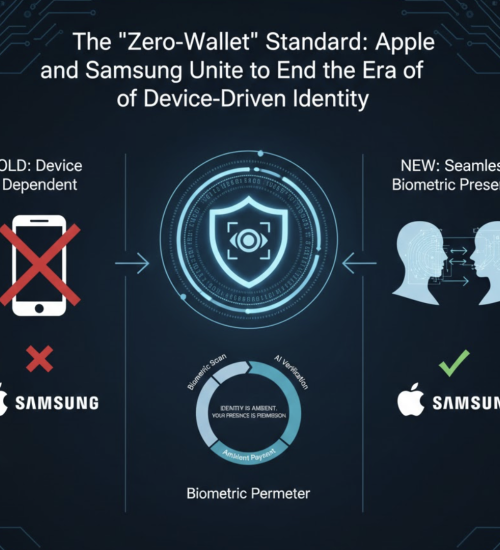
The "Zero-Wallet" Standard: Apple and Samsung Unite to End the Era of Device-Driven Identity
26 stycznia 2026

The trade data released in the last few days confirms a major geopolitical economic shift: the corridor between the MENA (Middle East and North Africa) region and the European Union has become the world’s most dynamic trade route of 2026. This week’s high-level summits in Abu Dhabi and Brussels have solidified new agreements that move beyond oil and gas, focusing instead on technology transfer, digital services, and sustainable manufacturing.
The UAE as a Strategic Gateway For European enterprises, the UAE has evolved from a regional market into a global launchpad. The "Gateway Strategy" of early 2026 emphasizes the use of Dubai and Riyadh as hubs for scaling European innovation into Asia and Africa. Conversely, MENA-based sovereign wealth funds are increasingly taking direct stakes in European tech infrastructure. This mutual integration is creating a new type of "trans-continental" economy that is more resilient to the shocks seen in previous years.
Digital Trade Corridors A key highlight of this week’s economic news is the launch of "Digital Trade Corridors"—blockchain-based platforms that automate customs and compliance between these two regions. By digitizing the paperwork of international trade, these corridors are expected to increase trade volume by an estimated 15% by the end of 2026. For businesses, this means that the legal "cleanliness" of their assets and their digital identity is now a direct factor in how easily they can move goods and services across these high-value borders.
Conclusion The economic synergy between the EU and MENA is the defining story of early 2026. As traditional trade routes face new challenges, this corridor offers a blueprint for the future of global commerce: digitized, diversified, and deeply integrated.